When employers are hiring, technical skills are often one of the first things they look for. Can the candidate operate the equipment? Do they have the right industry experience? Can they use the necessary software or complete the required tasks?
But technical ability is only part of what makes an employee successful.
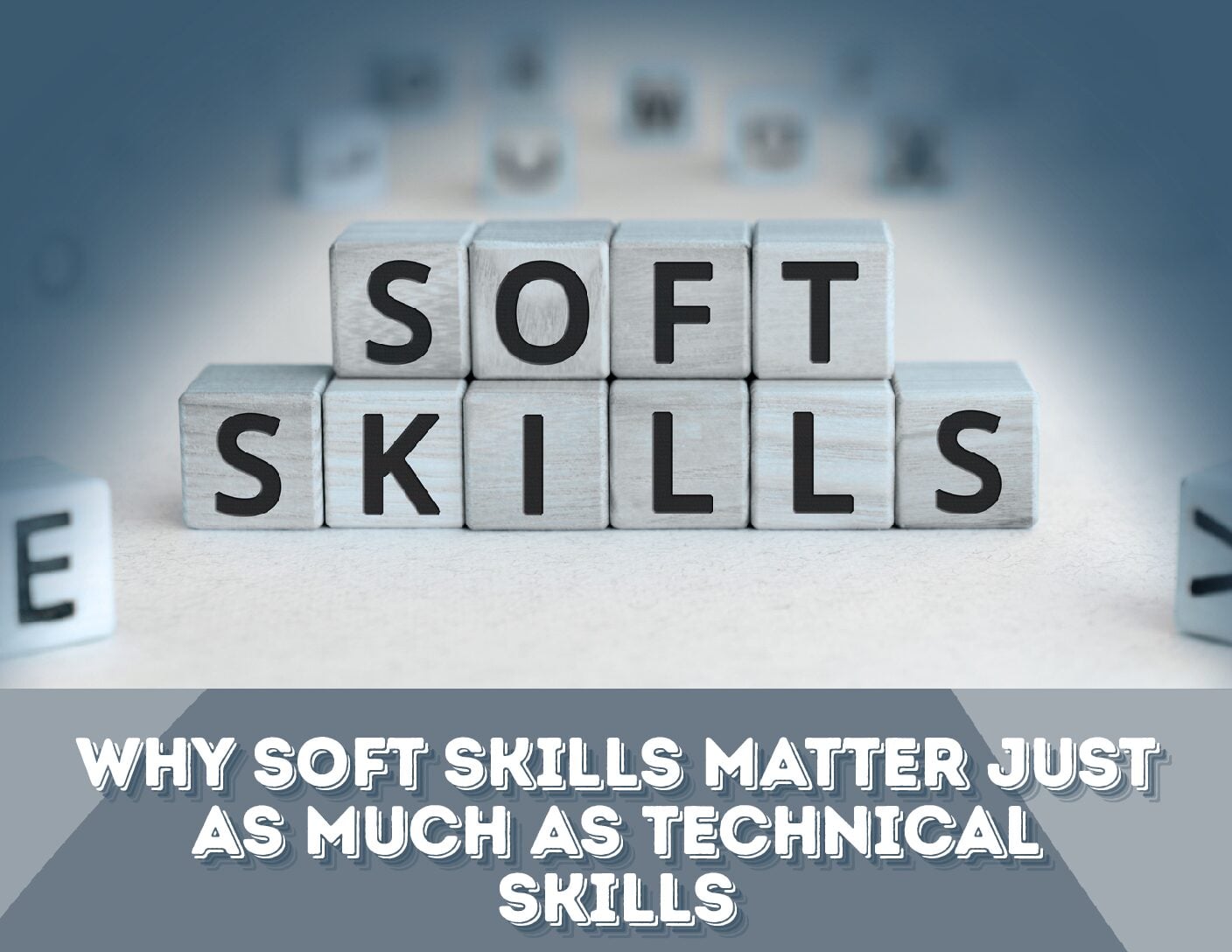
Soft skills—such as communication, teamwork, adaptability, reliability, problem-solving, and a positive attitude—can be just as important as technical skills when building a strong workforce. In many positions, employees need to work with others, respond to changing situations, communicate effectively, and demonstrate professionalism every day.
At Impact Employment Solutions (IES), we understand that finding the right employee means looking beyond a résumé. IES connects businesses with qualified, dependable talent and provides customized workforce solutions for industries ranging from manufacturing and automotive to skilled trades, engineering, warehouse and logistics, food processing, and office/professional roles.
What Are Soft Skills?
Soft skills are the personal and professional qualities that influence how someone works, communicates, and interacts with others.
Some of the most valuable soft skills in the workplace include:
- Communication – Clearly sharing information with coworkers, supervisors, and customers.
- Teamwork – Working effectively with others toward a common goal.
- Reliability – Showing up on time, following through, and being someone others can depend on.
- Adaptability – Adjusting to new responsibilities, processes, schedules, or workplace changes.
- Problem-Solving – Thinking through challenges and finding practical solutions.
- Time Management – Prioritizing tasks and completing work efficiently.
- Professionalism – Maintaining a positive, respectful, and responsible approach at work.
- Willingness to Learn – Being open to feedback, training, and developing new skills.
These qualities can make a significant difference in how an employee performs and contributes to a team.
Technical Skills Get You in the Door—Soft Skills Help You Succeed
Technical skills are essential. An employer needs people who can perform the actual duties of the position.
For example, a manufacturing employee may need experience operating machinery. A warehouse employee may need knowledge of inventory systems and material handling. An engineering position may require specialized technical knowledge.
However, even the most technically skilled employee needs to communicate, collaborate, follow safety procedures, and adapt when circumstances change.
Imagine an employee who has excellent technical skills but consistently arrives late, struggles to communicate with coworkers, or refuses feedback. Their technical knowledge may be impressive, but those workplace behaviors can affect the entire team.
On the other hand, someone who has a strong foundation of technical knowledge and demonstrates reliability, communication, teamwork, and a willingness to learn can become a valuable long-term employee.
Soft Skills Can Improve Teamwork
Most workplaces require employees to work with other people.
Whether someone is working on a production line, coordinating shipments in a warehouse, serving customers, managing projects, or working in an office, communication and teamwork are important.
Employees with strong interpersonal skills can help:
- Improve communication between team members
- Reduce misunderstandings
- Support a positive workplace environment
- Collaborate more effectively
- Address problems before they become bigger issues
A strong team isn’t simply made up of people who are good at their individual jobs. It’s made up of people who know how to work together.
Adaptability Is an Important Workplace Skill
Workplaces change constantly.
Companies introduce new technology, processes, equipment, schedules, and responsibilities. Employees who can adapt to those changes can become especially valuable.
Adaptability doesn’t mean an employee needs to know everything immediately. It means they are willing to learn, ask questions, accept feedback, and adjust when necessary.
IES emphasizes the importance of being flexible and open to learning for job seekers. Its guidance for succeeding in temporary assignments notes that employees who are willing to learn new tasks or help in different areas can open more doors and demonstrate their value to employers.
Reliability Is a Skill Employers Notice
One of the simplest—and most important—soft skills is reliability.
Showing up on time, maintaining good attendance, following instructions, communicating when an issue arises, and completing responsibilities consistently can make an employee stand out.
For staffing employers especially, reliability can be critical. A team may depend on every person being present and prepared for their shift.
Soft skills aren’t always something you can determine from a résumé. Sometimes you learn the most about a candidate through their actions and performance.
Soft Skills Can Be Developed
The good news is that soft skills aren’t necessarily fixed.
Employees can improve their communication, leadership, organization, problem-solving, and adaptability through experience, training, feedback, and practice.
Employers can support this development by:
- Providing clear expectations
- Giving employees constructive feedback
- Offering training opportunities
- Recognizing strong performance
- Encouraging communication
- Creating opportunities for employees to take on new responsibilities
Developing employees’ soft skills can help create stronger teams and support long-term professional growth.
Finding the Right Balance Between Skills
The best hiring decisions don’t necessarily come down to soft skills vs. technical skills.
Instead, employers should look for the right combination of both.
A candidate may have extensive technical experience but lack the communication skills necessary for a team environment. Another candidate may have excellent soft skills but need additional training to develop the technical abilities required for the position.
That’s where thoughtful hiring and workforce planning become important.
At Impact Employment Solutions, staffing solutions are designed around the specific needs of each business. IES offers temporary staffing, temp-to-hire, direct hire, and on-site workforce management, helping employers find talent that aligns with their workforce requirements.
The Bottom Line
Technical skills show what someone can do. Soft skills often show how they will do it.
The strongest employees bring both to the workplace.
As employers build their teams, looking beyond technical qualifications can help identify candidates who are dependable, adaptable, collaborative, and prepared to grow. And for job seekers, developing soft skills can make you more competitive and help you stand out when applying for your next opportunity.
Whether you’re looking for temporary employees, temp-to-hire talent, or direct-hire candidates, having the right staffing strategy can make a difference.
Ready to Find the Right Talent?
If your business is looking for qualified employees who bring both technical ability and strong workplace skills, Impact Employment Solutions can help.
Explore IES Staffing & Recruitment Services
Impact Employment Solutions — Talent to Do More.